Bulldozing has started in the iconic Big Bend National Park, and protestors try to save the last of 200-year old cottonwood trees in Arizona as the border wall advances, plus we launch our community mapping project, Wall Watch, on Tuesday!
Worried about the future of democracy in the United States? Look to Indigenous histories; they have much to teach us about the struggle between liberty and empire.
The Longer Story of the Border Patrol Killing of a Tohono O’odham Man: A Podcast with Amy Juan
0:00
/12000
We’d like to give a special welcome to our new audio editor Steev Hise and give a huge thanks to Hannah Gaber for her work with us over the last several months. As always in this volatile arena of journalism, it is hard for us to do anything coherent without our team behind the scenes!
The Longer Story of the Border Patrol Killing of a Tohono O’odham Man: A Podcast with Amy Juan
The Tohono O’odham leader and thinker describes the May 18 killing of Raymond Mattia and the long context of border militarization that led to it.
On May 18, Raymond Mattia stepped out of his house after he saw the U.S. Border Patrol arrive. He lived in the small community of Ali Chuk (also known as Menagers Dam), located about one mile from the U.S.-Mexico international boundary on the Tohono O’odham Nation in southern Arizona. Mattia had called the Border Patrol a few hours earlier to report people moving through his land. He was about two feet from his front door, witnesses said, when agents fired, hitting him 38 times.
Tohono O’odham leader and thinker Amy Juan joins us today to discuss what happened from an on-the-ground perspective, drawing from the testimony of Ali Chuk’s community members. She also explains the context of the incident, in what she calls “one the most militarized communities” on the Nation, where the Border Patrol has been increasing its presence for decades.
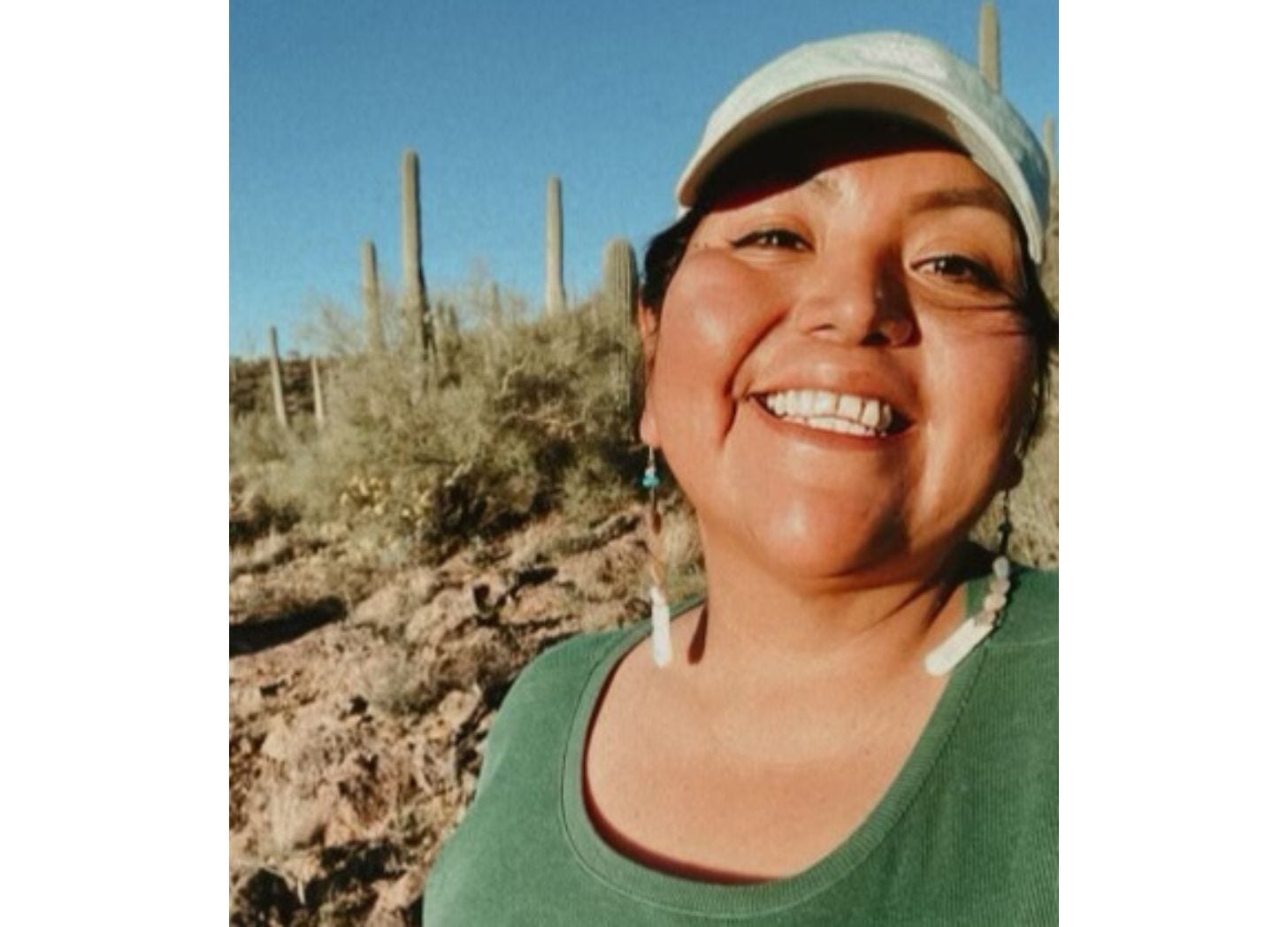
Amy Juan, Tohono O’odham leader and community liasion for the International Indian Treaty Council
Amy has been one of my go-to people on border issues for more than decade. I met her after she helped found the organization Tohono O’odham Hemajkam Rights Network to raise awareness about and take action on the Border Patrol’s militarization of her community. Now she is the administrative manager at the San Xavier Cooperative Farm and the tribal and community liaison in Arizona for the International Indian Treaty Council, where she focuses on border issues, among other things. To note, Amy was also the guest for The Border Chronicle’s first ever podcast in September 2021.
The Border Chronicle is a reader-supported publication. To receive new posts and support our work, consider becoming a free or paid subscriber.
Worried about the future of democracy in the United States? Look to Indigenous histories; they have much to teach us about the struggle between liberty and empire.
As floodwaters swept hundreds of one-ton border buoys downstream, international bridges closed, commerce slowed, and officials struggled to get answers from DHS about a project advancing despite local opposition, environmental concerns, and treaty questions.
Hundreds of massive orange buoys staged for a controversial DHS floating barrier project broke free near Eagle Pass and are now drifting toward Laredo, threatening bridges, commerce, drinking water supplies and downstream communities.
In February, the country broke an ominous record: over 68,000 people were being held in detention by Immigration and Customs Enforcement, more than ever before.