
On Civil Rights and Operation Lone Star in South Texas: A Podcast with Roberto Lopez
“It feels like you’re always being watched.”
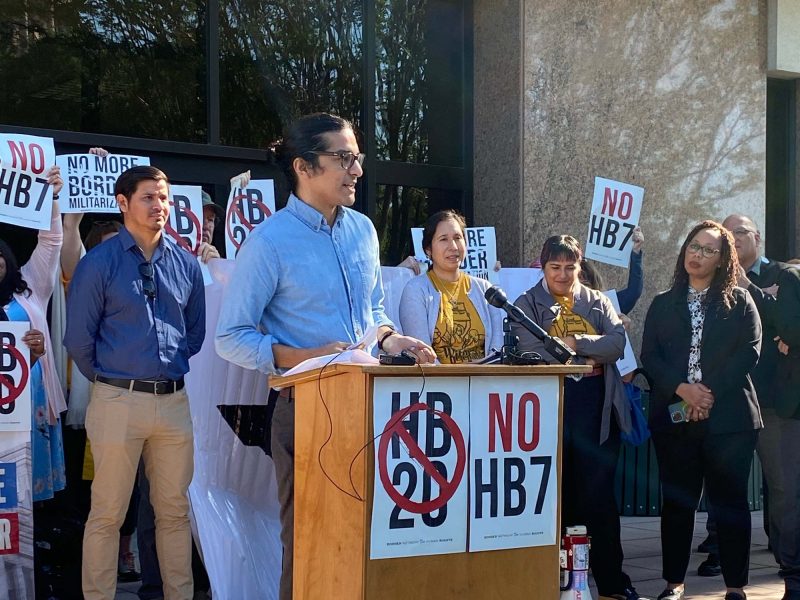
Roberto Lopez, born and raised in South Texas’s Rio Grande Valley, leads the Texas Civil Rights Project’s Beyond Borders Program, which works to defend the civil and human rights of border communities and of the people migrating through the borderlands.
Inspired by the United Farm Workers movement, the nonprofit Texas Civil Rights Project was founded in 1990. It has taken a strong stand against the illegality of Texas’s Operation Lone Star. Beginning in March 2021, Operation Lone Star sanctioned the deployment of National Guard and state police—from Texas and other states—to the Texas-Mexico border. Under the initiative, asylum seekers and migrants are charged with criminal trespassing when they enter Texas. They are then held in state-run prisons.
Recently, at least 14 Republican-led states have sent police and National Guard to Texas border communities under Operation Lone Star. Lopez says residents have no idea what policies these out-of-state police are operating under, including their policies on use of force. And holding them accountable is very difficult.
“When we talk about law enforcement in border communities and the operations they conduct, it’s often in remote parts of the state,” Lopez says. “We could see a situation where a Florida police officer goes beyond his authority … let’s say in apprehending immigrants. … It’s really hard to document what’s happening on the ground.”
Author
Related Articles
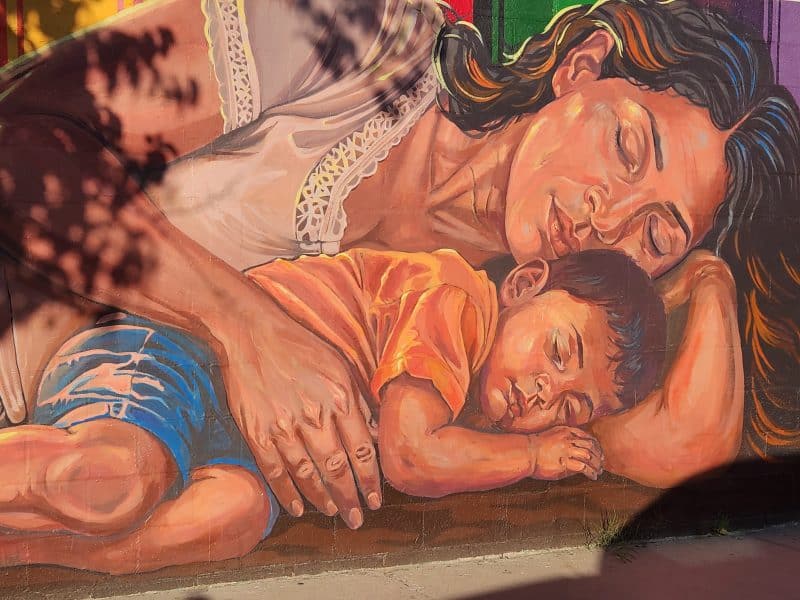
Immigration Policy Is Maternal Health Policy
Research in Texas confirms what border communities already know: that harsh immigration policies harm maternal health. As border-style enforcement spreads across the United States, its consequences for mothers and infants will spread with it.
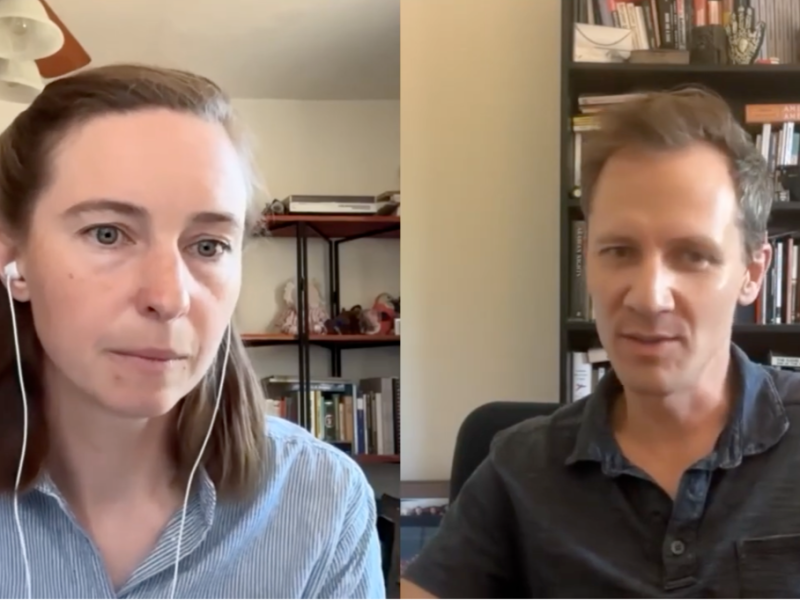
Why Local Pressure is Key to Impacting National Immigration Politics: A podcast with John Washington, author of “How to Close a Camp.”
In February, the country broke an ominous record: over 68,000 people were being held in detention by Immigration and Customs Enforcement, more than ever before.

From Fear to Hope: At a Tucson Summer Camp, Asylum-Seeking Children Find Joy Again
As immigrant families face detention, shrinking legal protections and the threat of deportation, Camp Hope offers children a rare chance to play, heal and dream. One former camper is headed to an opera conservatory in Italy.
