Countering negative narratives with an event that honors interconnectedness and subverts the border in Agua Prieta/Douglas, and a contested hotel--in the heart of the Rio Grande Valley--that is of great importance for Mexican American civil rights.
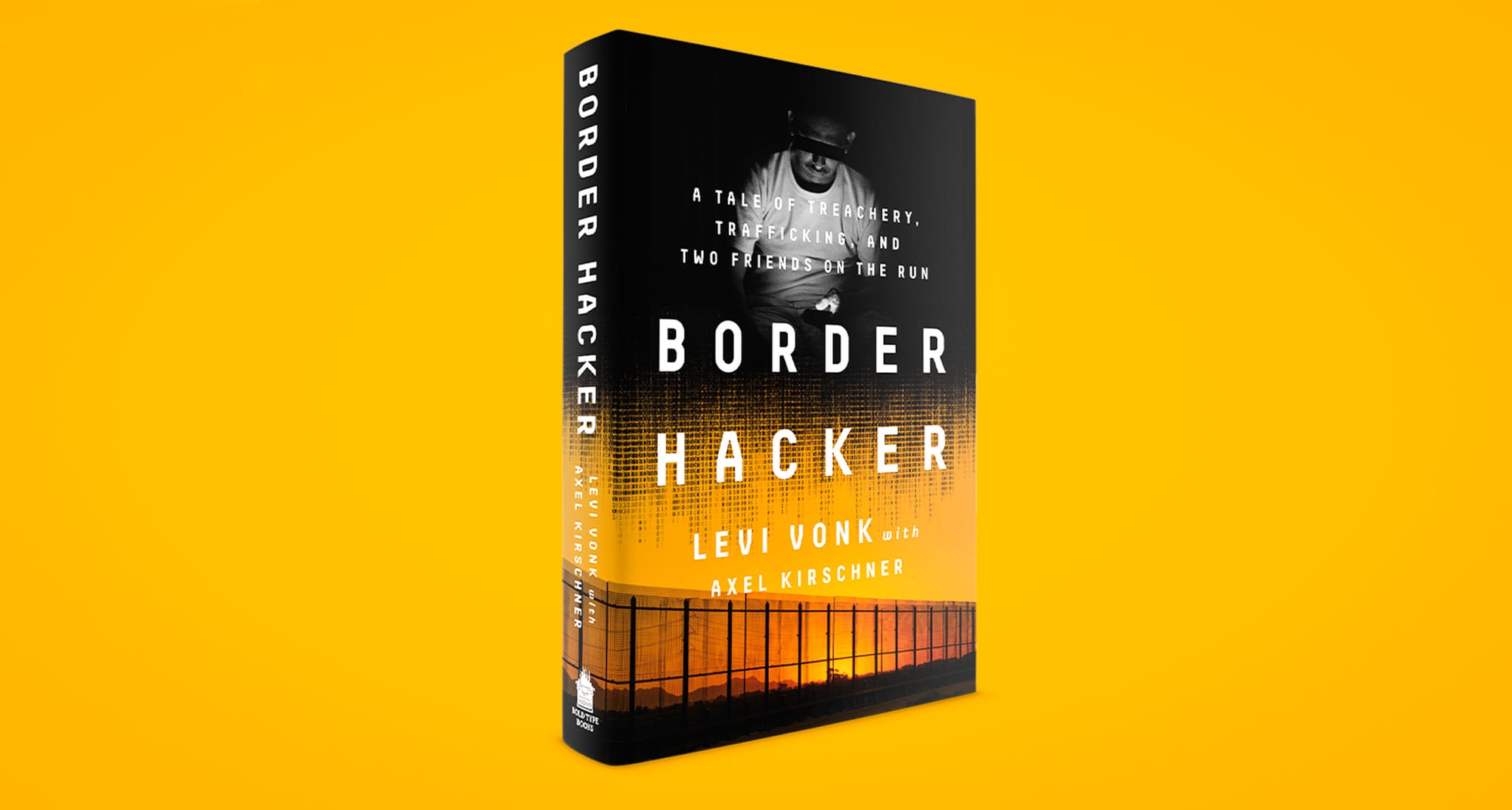
When You Have No Country: A Podcast with Axel Kirschner and Levi Vonk, Authors of ‘Border Hacker’
A detailed, intimate, frank (and, be warned, often explicit) conversation with the 'Border Hacker' authors about how they met, why they decided to write a book, and how they are living under threat.
Although we do encourage you to listen to the previous interview (and to read the book!), please don’t worry if you haven’t. Today’s interview stands on its own two feet. This time we also feature fellow author Axel Kirschner. Axel was born in Guatemala but grew up on Long Island and was deported as an adult. We are proud to say that this is the first interview Axel has done since Border Hacker was published in April.
Immediately after the book’s publication, Axel had to go into hiding because of threats on his life. Levi had to flee Mexico City for similar reasons, which they both explain in detail during the interview. The book, Axel says, is “costing me my life.”
But that’s not all they talk about. They describe how they met in the chaos of a migrant caravan in 2015, and how they developed a deep and enduring friendship. They talk about how they decided to collaborate on a book and why they felt the need to document what they experienced. They talk about how the book has been received, respond to critiques, and discuss the book’s place in the world. Although the conversation is intimate and frank, be warned that there is also often explicit language.
The Border Chronicle is a reader-supported publication. To receive new posts and support our work, consider becoming a free or paid subscriber.
A vivid depiction of what has been happening during the last eight weeks of resistance against border wall construction in southern Arizona’s San Rafael Valley.
Wall Watch combines geospatial mapping, archival research, and community participation to provide the public with an accurate, continually updated record of border wall construction along nearly 2,000 miles of the international border.
As floodwaters swept hundreds of one-ton border buoys downstream, international bridges closed, commerce slowed, and officials struggled to get answers from DHS about a project advancing despite local opposition, environmental concerns, and treaty questions.
Hundreds of massive orange buoys staged for a controversial DHS floating barrier project broke free near Eagle Pass and are now drifting toward Laredo, threatening bridges, commerce, drinking water supplies and downstream communities.