
What’s Gonna Happen on the Border in 2025? A Podcast with Erika Pinheiro
If you want to know about what’s to come on the border—what to expect, how it got to this point, and ways to fight back—put everything down right now and give this a listen.

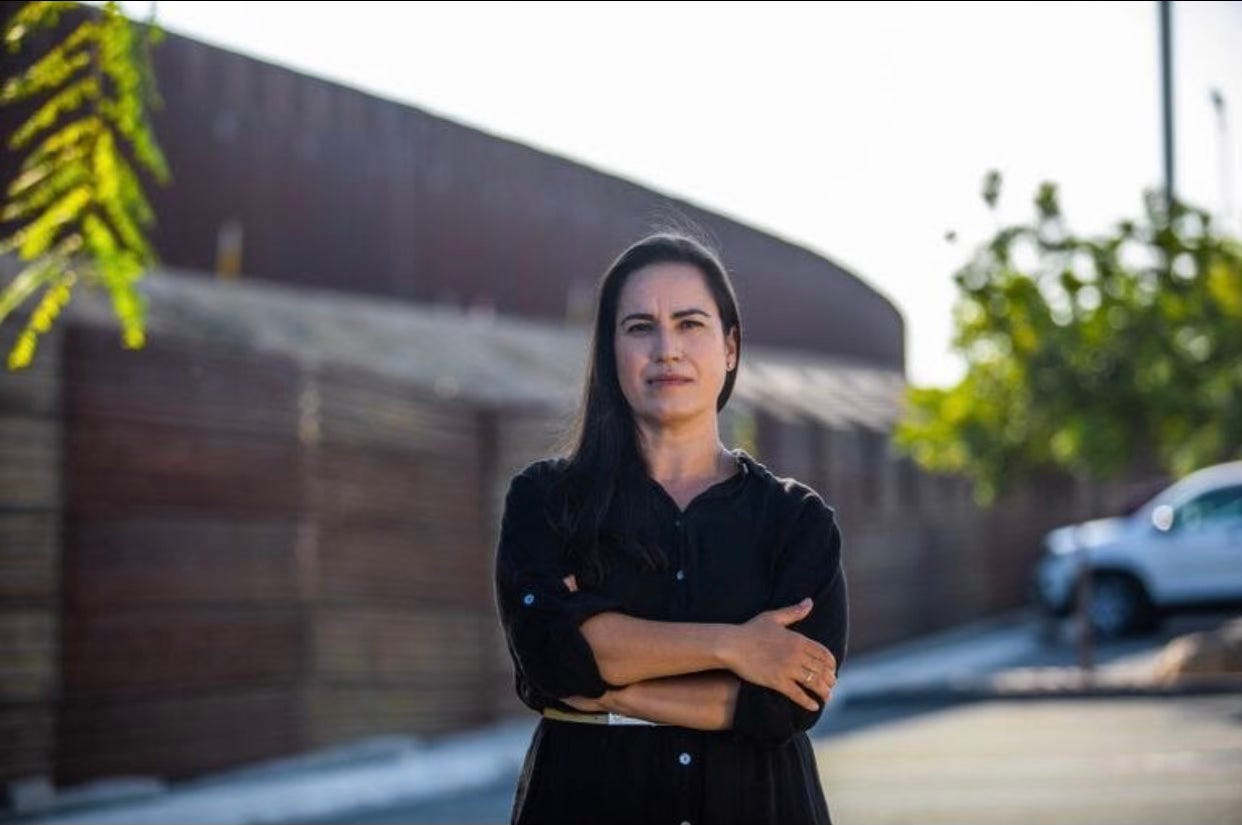
Well, here we are at the beginning of 2025, and it’s time to continue preparing ourselves for what’s to come (I hope you all saw Melissa’s Tuesday report on the Border Chronicle Forecast for 2025). As we know, 2025 has all the makings of a historic year, with a new president taking office and many threats already on the horizon. Luckily, we have with us border expert Erika Pinheiro to break it all down. You probably remember that exactly one year ago Pinheiro—who is the director of the organization Al Otro Lado, which provides legal assistance and humanitarian aid in the borderlands—joined us to do the exact same thing. Then, she warned us that the narrative of “overwhelm” and “border chaos” would dominate the election year.
And now she joins us again (actually her third time; her first in 2022 was on the impact of surveillance). This time, she’s bringing an on-the-ground and insightful analysis about the first year of Trump and an assessment of Joe Biden’s last years in office. We discuss the exiting president’s border legacy, Trump’s plans for mass deportation, and the invasion narrative, which has invaded political and media discourse. Pinheiro makes the point that, far from the “open borders” narrative that droned on for four long years, “the Biden administration really teed up with infrastructure and a set of policies that will make the second Trump administration exponentially worse than the first.” She also talks about the potential for opposition, and its possible pitfalls, and she offers suggestions on how people can respond. In other words, Pinheiro offers a perspective simply not found anywhere else.
The Border Chronicle is a reader-supported publication. To receive new posts and support our work, consider becoming a free or paid subscriber.
Author

Related Articles
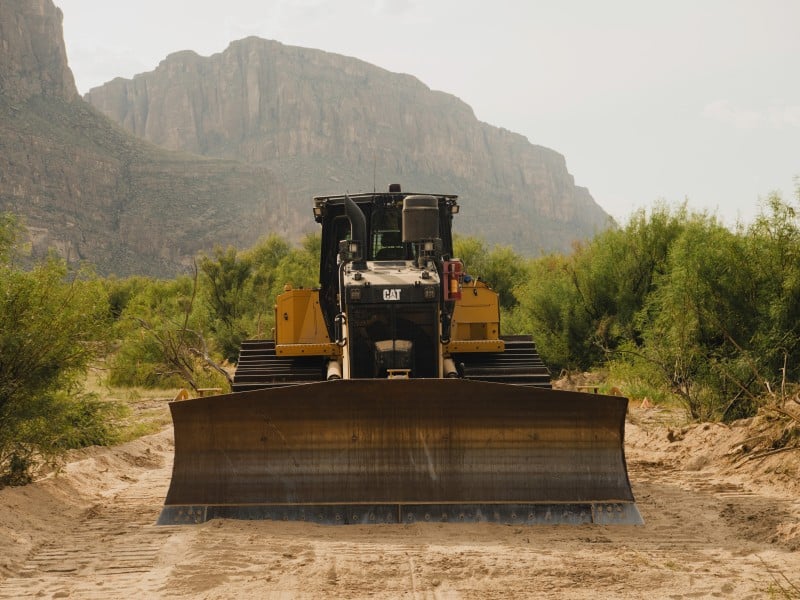
Border Walls Devastating Arizona Are a Warning for Seminole Canyon and Big Bend
Vehicle barriers are just the first step in the march to 30-foot border walls. San Bernardino National Wildlife Refuge is seeing the brutal endpoint.
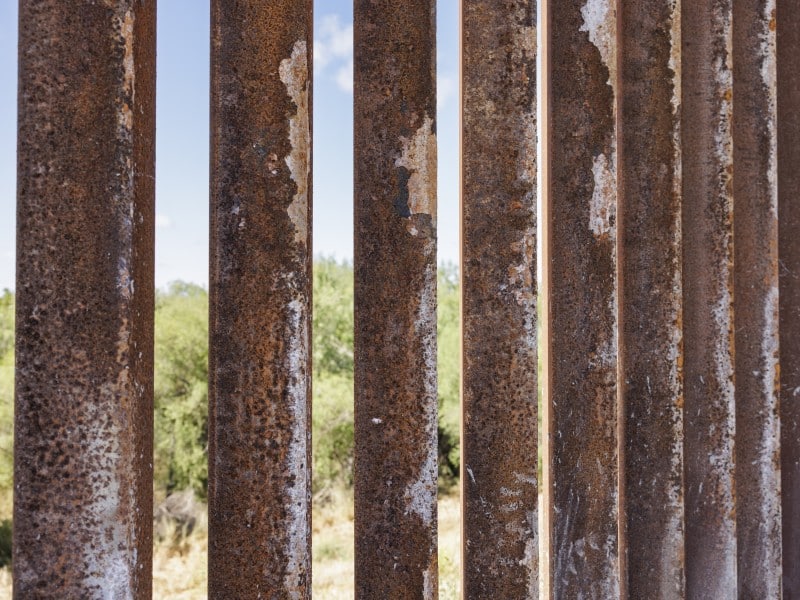
American Rust: The $1.1 Billion Border Wall Built with Salvaged Materials and Few Answers
A newly constructed wall built with old, salvaged material in South Texas is probably illegal; it’s also costing twice as much as previous walls. What are taxpayers paying for, exactly?
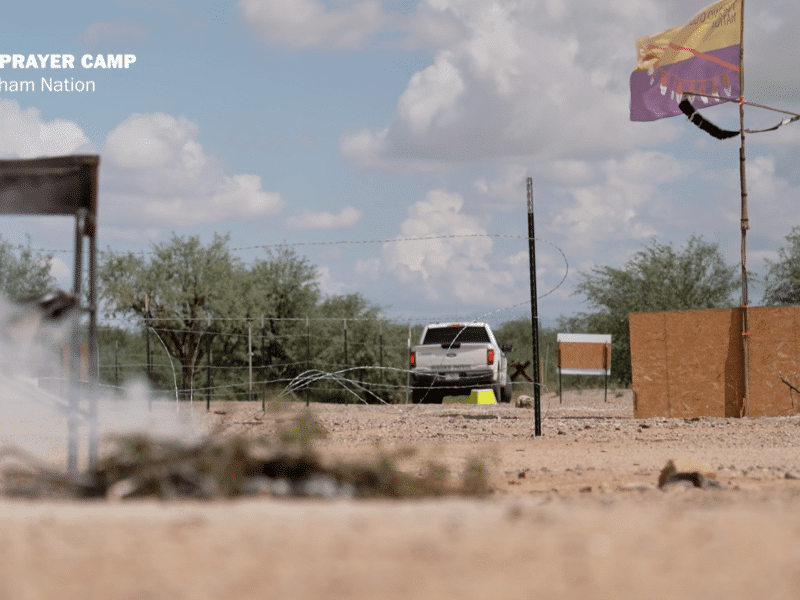
“We See No Border”: The Tohono O’odham Fight Against the Border Wall
The irreparable harm that has already been done, says tribal chairman Verlon Jose, you can feel it, hear it, in the people.
